The Case for Risk-Limiting Audits

If you’ve spent any time in election administration circles over the past several years, you’ve probably heard the phrase “risk-limiting audit” come up more and more often. It’s a mouthful, and the statistics behind it can look intimidating on paper, but the underlying idea is refreshingly simple: audit harder when the race is close, and audit less when it isn’t.

We touched on the basic mechanics of post-election audits in an earlier piece, but risk-limiting audits deserve their own explanation because they solve a real weakness in older audit methods. A traditional fixed-percentage audit — say, always hand-counting 1% or 2% of ballots — treats a landslide race and a nail-biter identically. That’s inefficient at best and misleading at worst: a small fixed sample might be more than enough to confirm a 30-point win, but nowhere near enough to responsibly confirm a result decided by a few hundred votes.

Risk-limiting audits flip that logic around. Instead of starting with a fixed sample size, they start with a target: how much risk are we willing to accept that a wrong outcome slips through uncaught? From there, statisticians calculate how large a hand-counted sample needs to be to meet that risk threshold, given the actual margin in the race. A landslide might only require a tiny sample. A near-tie might require counting nearly every ballot by hand. As the nonpartisan election-verification group Verified Voting has explained, this approach is now considered something close to a gold standard among election security researchers.

We find the underlying logic appealing for a fairly simple reason: it scales scrutiny to where scrutiny is actually needed. Resources aren’t unlimited, and a state that pours the same auditing effort into every race regardless of margin is, in effect, underprotecting its closest and most consequential contests while overspending on its least competitive ones.

That said, risk-limiting audits aren’t free of trade-offs. They require statistical expertise that not every county election office has in-house, software tools to calculate sample sizes correctly, and public communication that can make a fairly technical process understandable to reporters and voters who just want a yes-or-no answer about whether the count was right. States that have adopted RLAs successfully have generally done so gradually, piloting the process in a handful of counties before scaling statewide.

We think that gradual, tested rollout is the right model to follow elsewhere. Risk-limiting audits aren’t a silver bullet, and they don’t replace the underlying need for paper records and solid chain-of-custody practices we’ve written about before. But as a more precise, statistically grounded way of deciding how much checking is enough, they represent a genuine improvement over the blunter methods many jurisdictions still rely on.
Read more →

Pest Control for Houston’s Political Buildings: Top Problems Examined

Houston’s political buildings serve as the cornerstone of civic engagement and government operations throughout East Texas. From county courthouses to city halls, legislative offices to municipal centers, these structures house critical administrative functions that keep our communities running smoothly. However, these same buildings face persistent challenges from unwanted visitors of the six-legged and four-legged variety.

Political buildings present unique pest control challenges due to their high foot traffic, aging infrastructure, extended operating hours, and the sensitive nature of the work conducted within their walls. Understanding which pest species pose the greatest threats to these facilities is essential for maintaining safe, professional environments where public servants can focus on their important work.

Why Political Buildings Are Vulnerable to Pest Infestations

Government buildings in the Houston area face several factors that make them particularly attractive to pests. The constant flow of visitors tracking in potential pest hitchhikers, the presence of break rooms and cafeterias with food sources, and the often-historic nature of these structures with their aging foundations and utility penetrations all contribute to vulnerability.

campaign integrity ant control

Many political buildings in East Texas were constructed decades ago, featuring architectural elements that, while beautiful, create numerous entry points for pests. Ornate moldings, basement areas, expansive attics, and complex HVAC systems provide countless opportunities for pests to establish themselves undetected.

Additionally, the public nature of these buildings means that doors open and close hundreds of times daily, making it nearly impossible to maintain a completely sealed environment. This reality makes proactive pest management not just helpful, but absolutely essential.

Top Pest Species Threatening Houston’s Government Facilities

German Cockroaches

German cockroaches represent the most common and problematic pest species in Houston’s political buildings. These small, tan-colored insects thrive in warm, humid environments—conditions that perfectly describe East Texas for much of the year.

These roaches are particularly drawn to break rooms, employee kitchens, and any areas where food is stored or consumed. A single female German cockroach can produce up to 400 offspring in her lifetime, meaning a small problem can quickly escalate into a full-blown infestation.

The presence of cockroaches in government buildings poses serious concerns beyond mere aesthetics. These pests carry bacteria including Salmonella and E. coli, trigger allergies and asthma, and create an unprofessional atmosphere that undermines public confidence.

American Cockroaches

While German cockroaches dominate indoor spaces, American cockroaches—often called “palmetto bugs” in the South—present a different challenge. These larger roaches typically enter from outdoor areas, making their way through gaps around doors, windows, and utility lines.

American cockroaches particularly favor basement areas, mechanical rooms, and spaces with plumbing fixtures. In older government buildings with extensive underground areas or crawl spaces, these pests can establish significant populations before detection.

Rodents: Norway Rats and House Mice

Rodent infestations in political buildings create serious health and safety concerns. Both Norway rats and house mice are common throughout the Houston area, and they view government buildings as ideal habitats offering shelter, warmth, and food sources.

Rodents pose multiple threats to political facilities. They gnaw constantly to keep their ever-growing teeth manageable, which means they damage electrical wiring, insulation, important documents, and structural elements. The fire risk from damaged wiring alone makes rodent control a critical safety issue.

Beyond property damage, rodents contaminate surfaces with urine and droppings, potentially spreading diseases including Hantavirus, Leptospirosis, and Salmonellosis. For buildings that serve the public, maintaining a rodent-free environment is non-negotiable.

Ants: Fire Ants and Carpenter Ants

The Houston region is notorious for its aggressive fire ant populations, and these stinging insects frequently establish colonies near building foundations, in landscaping, and even within wall voids. For political buildings with outdoor gathering spaces, fire ants present both a nuisance and a liability concern.

Carpenter ants, while less aggressive than their fire ant cousins, pose a different threat. These large black ants excavate wood to create their nests, potentially compromising structural integrity over time. In historic government buildings with extensive woodwork, carpenter ant activity requires immediate attention.

Integrated Pest Management for Government Facilities

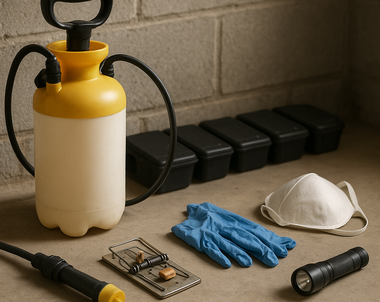
Effective pest management in political buildings requires a comprehensive approach that goes beyond simply responding to infestations. Professional pest control in Houston emphasizes integrated pest management (IPM) strategies that combine prevention, monitoring, and targeted treatment.

campaign headquarters pest management

The IPM approach begins with thorough inspections to identify current pest activity, conducive conditions, and potential entry points. This assessment phase is critical for developing a customized management plan that addresses the specific challenges of each facility.

Prevention Strategies

Preventing pest problems is always more effective and cost-efficient than treating established infestations. Key prevention measures for political buildings include:

  • Sealing cracks and gaps around foundations, windows, doors, and utility penetrations
  • Installing door sweeps and weather stripping on exterior doors
  • Maintaining proper sanitation in break rooms, cafeterias, and common areas
  • Storing food in sealed containers and promptly addressing spills
  • Eliminating moisture issues that attract pests
  • Maintaining landscaping to reduce pest harborage near the building
  • Implementing proper waste management with sealed containers and regular removal

For facility managers seeking additional educational resources on pest management best practices, MSU Extension offers valuable information applicable to commercial and government settings.

Monitoring and Documentation

Government buildings benefit from ongoing monitoring programs that detect pest activity early, before minor issues become major problems. This includes strategically placed monitoring devices, regular inspections of vulnerable areas, and detailed documentation of findings.

Proper documentation is particularly important in political buildings, where transparency and accountability matter. Detailed service records demonstrate due diligence and provide valuable data for identifying trends and refining management strategies.

Special Considerations for Historic Government Buildings

Many of Houston’s political buildings are historic structures that require special consideration during pest management. These buildings often feature unique architectural elements, aging infrastructure, and preservation requirements that impact treatment options.

Working with pest control professionals who understand the delicate balance between effective pest management and historic preservation ensures that these important buildings receive appropriate care. Treatment methods must be effective against pests while respecting the building’s historic integrity.

Protecting Houston’s Political Legacy

Houston’s government buildings represent more than just functional spaces—they’re symbols of civic pride and democratic governance. Maintaining these facilities in pristine condition, free from pest problems, demonstrates respect for the important work conducted within their walls and for the citizens they serve.

By understanding the pest species that threaten these structures and implementing comprehensive management strategies, facility managers can ensure that Houston’s political buildings remain welcoming, professional environments for generations to come. Proactive pest management isn’t just about eliminating unwanted guests—it’s about preserving the dignity and functionality of the spaces where democracy happens.

Read more →

Securing the Chain of Custody: From Ballot Box to Certification

A ballot’s job isn’t finished the moment it’s cast. From the second a voter drops it in the box to the moment a final result is certified, that ballot has to survive a long chain of handoffs — sealed containers, transport vehicles, storage facilities, counting boards — and every link in that chain is a place where trust can either be reinforced or quietly eroded.

We use the term “chain of custody” deliberately, borrowing language more commonly associated with evidence handling in a criminal case. The comparison isn’t accidental. In both contexts, the goal is the same: being able to demonstrate, step by step, that the thing in front of you now is the same thing that started the process, untampered and accounted for the entire way.

In practice, this means tamper-evident seals on ballot containers, logged signatures every time custody changes hands, bipartisan teams present for transport and storage whenever possible, and video monitoring of secure storage areas. None of these measures are exotic. They’re closer to standard inventory-control practices, applied to something with far higher stakes than a warehouse shipment.

Where chain-of-custody procedures tend to break down isn’t usually in the big, visible moments — election night itself is typically well-staffed and closely watched. It’s in the quieter intervals: overnight storage, the days between polling and certification, and any point where ballots are moved between facilities. A gap in documentation during one of these windows doesn’t necessarily mean anything went wrong, but it does create a gap that’s hard to fill retroactively, and that gap is exactly what erodes confidence even when the underlying count was accurate.

This is part of why we keep returning to the importance of pairing strong custody procedures with the kind of post-election audit we wrote about previously. An audit is only as trustworthy as the ballots it’s checking. If custody has been airtight, an audit can confirm that with real confidence. If custody has gaps, even a clean audit result leaves room for doubt, because there’s no way to fully rule out that something changed between casting and counting.

We’d also flag that chain-of-custody standards vary considerably by state and even by county, which makes this an area where relatively modest, low-cost reforms — standardized seal logs, mandatory bipartisan witness requirements, published transport schedules — could meaningfully raise the floor nationwide without requiring new technology or major new spending.

None of this is about assuming bad faith on the part of election workers, the overwhelming majority of whom take their responsibilities seriously. It’s about building a system that doesn’t have to rely on anyone’s word alone — one where the documentation itself can answer the question “how do we know nothing changed?” before anyone has to ask it.

Read more →

Poll Worker Training and the Human Side of Election Security

When people picture election security, they usually picture technology — encrypted databases, tamper-evident seals, video surveillance of ballot storage rooms. All of that matters. But we think one of the most under-discussed pieces of the puzzle is much less technical: the thousands of ordinary people who staff polling places on election day.

Poll workers are the ones who verify identification, hand out ballots, troubleshoot equipment when it hiccups, and manage the line when it gets long and tempers get short. They’re also, in most jurisdictions, the first line of defense against both honest mistakes and deliberate interference. A well-trained poll worker catches a discrepancy before it becomes a problem. An undertrained one might miss it entirely, or worse, create a new problem trying to fix something that wasn’t actually broken.

This is why recruitment and training deserve as much attention as any piece of hardware. Many counties have struggled in recent cycles to find enough workers, a challenge covered in some depth by NPR, which reported on efforts to recruit teenagers, veterans, and other new volunteers to fill the gap as longtime poll workers retire. A shortage doesn’t just mean longer lines — it means less experienced staff handling procedures that are easy to get wrong under pressure.

Good training programs cover more than button-pushing. They walk poll workers through provisional ballot procedures, chain-of-custody paperwork, how to de-escalate a frustrated voter without violating anyone’s rights, and what to do if a piece of equipment fails mid-day. We’d note that this last category — knowing the manual fallback procedure when the primary system isn’t working — is often where the gap between a minor hiccup and a real crisis is decided.

There’s also a quieter benefit to strong training: it builds a poll worker corps that can explain, clearly and confidently, what’s happening to voters standing in line. A worker who understands why a signature is being checked, or why a ballot is being set aside for provisional review, can defuse suspicion on the spot. One who doesn’t understand the procedure they’re following can accidentally make a routine step look sinister.

We keep coming back to a similar theme in our own work — the idea that verifiable elections rest as much on process as on any single piece of equipment, much like the paper-ballot backbone we discussed previously. Poll workers are the human version of that same principle. No amount of secure hardware compensates for undertrained staff, and no amount of software audits substitutes for a person at the table who knows exactly what they’re supposed to do and why.

Investing in recruitment, pay, and training for poll workers isn’t a glamorous fix. But it may be one of the more cost-effective ways to strengthen an election, precinct by precinct, well before anyone shows up to vote.

Read more →