
Fixing a roof isn’t just about covering over the spots you can spot from the ground. It draws on how materials hold up so the whole thing lasts, cuts down on tossing stuff out, and keeps weather from creeping in. Miss that part and the whole roof gets swapped sooner than it needs to be.
The Science of Roofing Materials
Roofs today depend on knowing what different stuff does when heat, water, and sun hit it. Asphalt shingles stretch and shrink as temperatures swing, and that often starts cracks where the decking underneath moves. You notice it first at the seams. Metal panels bounce back sunlight and run cooler, so less heat makes it into the attic space. When picking what to put on next, match the material to the weight it will carry and the weather patterns that hit the building. A steep slope facing south gets hammered by sun, so a surface that reflects there saves more energy than one on the shady north side. That difference shows up when the attic stays cooler without extra fans running all day long.
Environmental Choices During Repairs
Picking repair steps that hold back what goes to the landfill adds up. Plenty of asphalt can head back into pavement or fresh granules, which trims how much new petroleum gets pulled out. Old material stays useful instead of piling up as trash. Adding insulation layers while you work slows heat from leaking out, so the furnace and air conditioner cycle less. Homeowners notice systems kick on less during swings. That trims power use and what gets sent into the air from plants over time.
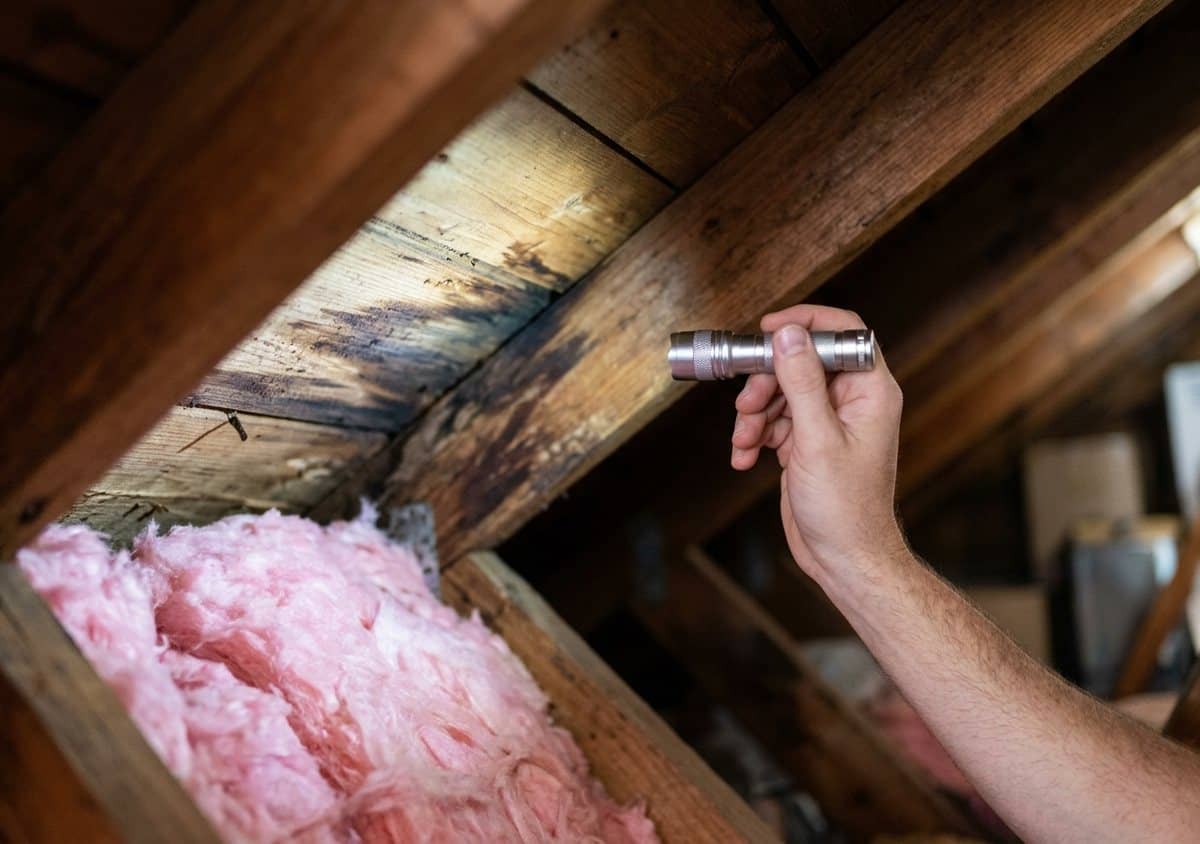
Alameda Peak Roofing often suggests looking at flashing around chimneys and vents right away. Those spots let water in and can rot insulation plus framing if left alone.
Simple Steps to Keep a Roof in Shape
A regular walk-around from the ground catches trouble early. Use binoculars on a bright day so you catch missing bits or edges that have lifted. Empty the gutters so water runs off instead of pooling at the edge. Swap out the sealant around pipe boots every couple of years once it gets brittle from the sun.
- Cut back branches that reach within six feet so wind does not rub the surface raw.
- Make sure attic vents work right so damp air does not sit under the boards.
These steps rest on plain physics. Water that keeps moving never gets pulled into the joints by that wicking effect. Once it sneaks in, it seldom leaves by itself.
How Sealants and Coatings Hold Up
Flexible coatings stretch with the surface instead of splitting the way stiff paint does. What matters most is how far they can stretch before they tear. Bigger stretch numbers work better where daily temperatures jump around a lot. Thickness during application counts too. Spread it too thin and it cannot cover tiny cracks. Pile it on too heavy in one spot and it sags before it sets.
Spotting Trouble You Cannot See
Cameras that read heat differences pick up wet spots under the surface. Cooler patches in warm months or warmer ones in cold months show where water has pushed air out. Once you find them, pulling just the bad parts saves the rest and keeps waste down. That focused fix holds costs in check and leaves good material alone.
Plans That Keep a Roof Going Longer
Adding fresh layers over the old ones piles on weight and can hide rot that is still spreading. A full tear-off makes more sense once more than a fifth of the surface looks worn. What goes underneath also changes results. Tougher synthetic sheets resist rips during the job and block water better than old felt if rain shows up halfway through. That strength helps on breezy days when people are walking the roof.
Writing down the dates of each repair and what products went on lets the next owner know what has already been tried. The notes make planning the next round easier and stop the same mismatched materials from getting used twice.
After Bad Weather Hits
Strong gusts pull shingles up along the outer edge where the lift is strongest. Starter strips with extra glue plus ring-shank nails instead of staples help hold things down. Without that hold wind peels layers back fast once it finds an edge. After any big storm, walk the edges from different sides to spot moved pieces before water gets inside. Checking soon after the wind stops, ahead of the next rain, gives the clearest view while fixes are still small.
Keeping Notes Pays Off Later
A simple folder or note on the computer with each repair date smooths out warranty questions. Makers usually want proof that upkeep happened before they cover anything. Having those details ready cuts the back-and-forth if a problem does show up.