Myth: “Our building is only used a few days a week, so water damage isn’t urgent.”
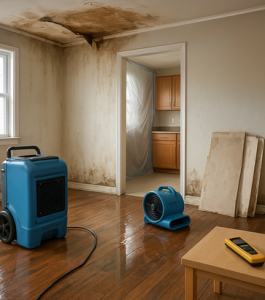
This dangerous misconception has cost countless religious institutions and community centers tens of thousands in preventable damage. The reality? Limited occupancy actually increases your risk. When buildings sit empty for days, small leaks go unnoticed, humidity builds unchecked, and by the time Sunday services roll around, you’re facing extensive mold growth and structural compromise.
Houses of worship and community centers in Tucson require specialized emergency response that understands both the architectural uniqueness of these spaces and their critical role in the community. When water damage strikes, partnering with Tucson Water Damage Restoration Champions ensures your facility receives the urgent, respectful care it deserves while minimizing disruption to your congregation or community programs.
Debunking Common Water Damage Myths in Large Gathering Spaces
Myth #1: “We Can Wait Until Monday to Address Weekend Water Damage”
The 24-48 hour window is critical. Mold begins colonizing within this timeframe, and in Tucson’s climate, the combination of monsoon moisture and indoor temperature fluctuations accelerates this process. That pipe burst discovered Saturday evening? By Monday morning, you’re looking at contaminated carpeting, compromised drywall, and potential health hazards for vulnerable populations including children and elderly members.
Myth #2: “Our Insurance Won’t Cover Emergency Services”
Most religious and nonprofit organizations carry property insurance that specifically covers emergency water mitigation. What insurance won’t cover is secondary damage caused by delayed response. Documentation is key—professional restoration services provide the detailed reporting insurers require while protecting your claim value.
Myth #3: “Industrial Fans and Dehumidifiers Are All the Same”
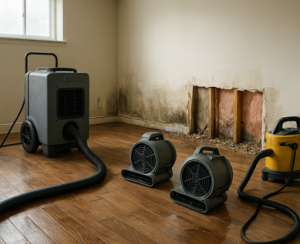
Big-box rental equipment cannot match professional-grade restoration technology. Commercial moisture meters, thermal imaging cameras, and calibrated drying systems are essential for large spaces with high ceilings, multiple rooms, and complex HVAC systems common in religious facilities. Amateur drying attempts often trap moisture in walls and subflooring, creating long-term problems.
Special Considerations for Sacred and Community Spaces
Protecting Irreplaceable Items
Religious artifacts, historical documents, musical instruments, and memorial items require specialized handling during water emergencies. Professional restoration teams understand the difference between standard contents and sacred objects that hold deep spiritual or community significance.
Priority protection includes:
- Religious texts and historical records requiring freeze-drying techniques
- Stained glass windows vulnerable to moisture-related deterioration
- Wooden pews, altars, and architectural elements needing controlled drying
- Sound systems and projection equipment requiring immediate electrical safety protocols
- Kitchen facilities used for community meals and events
Maintaining Operational Continuity
Your community depends on you. Emergency restoration for religious and community centers isn’t just about drying out a building—it’s about restoring a gathering place. Professional teams work around service schedules, coordinate temporary space solutions, and prioritize areas based on your operational needs.
The Hidden Dangers of DIY Approaches
Myth: “Our volunteers can handle the cleanup to save money.”
Well-meaning volunteers face serious risks in water damage scenarios. Category 2 and 3 water (from toilets, sewage backups, or external flooding) contains harmful bacteria and pathogens requiring proper PPE and disposal protocols. Additionally, electrical hazards, structural instability, and mold exposure present liability issues for organizations allowing untrained individuals to perform restoration work.
Professional restoration protects both your facility and your people, providing proper safety equipment, licensed expertise, and insurance coverage that volunteer labor cannot offer. Consulting with organizations like the American Society of Plumbing Engineers can help facility managers understand proper plumbing infrastructure maintenance to prevent future water emergencies, while the ASCE provides valuable resources on building infrastructure resilience.
Act Immediately, Restore Completely
Water damage in religious and community centers demands immediate professional response. Every hour of delay multiplies restoration costs and extends the time your community goes without their essential gathering space. Don’t let myths about cost, urgency, or DIY capabilities compromise your facility’s integrity and your community’s wellbeing.