
Security Features in Electronic Voting Systems

Electronic voting equipment comes in several basic forms that local officials handle on election day. Direct recording electronic machines let voters select choices on a screen and store the selections in internal memory. Optical scan systems read paper ballots that voters mark by hand or with a device. Some setups combine a touchscreen for marking with a printer that produces a paper record the voter can check before the ballot is cast. Each type includes components such as removable memory cards, seals on ports, and backup batteries in case power fails.

Standard components and daily handling

A typical machine has a display unit, a processor board, and ports for connecting to a central tabulator. Workers turn the unit on with a key or code, load a memory card that holds the ballot style for that precinct, and test that the screen responds correctly. At the end of voting, the same card or a separate results cartridge is removed and taken to a counting location. Everyday practice includes checking that no extra wires or devices are attached and that the case shows no signs of tampering.

Certification standards and testing steps

Before any machine reaches a polling place, it must pass a series of checks set by state and federal guidelines. Independent testing laboratories examine the hardware and software against published requirements for accuracy and security. States then run their own acceptance tests, often including a mock election with known votes to confirm the totals match. Some jurisdictions require retesting after any software update. The process can take weeks or months, and officials keep records of which version of the software was approved for use.

Moving equipment and maintaining records

Chain of custody begins when machines leave storage. Each unit receives a numbered seal on every access point, and a log records who handled it and at what time. Drivers or teams sign the log when the equipment arrives at the polling site. After polls close, the same logs track the return trip and the transfer of memory cards to the central office. Observers from political parties or citizen groups are often allowed to watch these steps, though the exact rules differ from place to place.

Post-election audits rely on paper records when they exist. A sample of ballots or machine printouts is selected, usually by a random draw, and counted by hand. The hand count is compared to the electronic total. If the numbers differ beyond a set threshold, more ballots are examined. Some states perform these checks automatically, while others require a petition or close race to trigger the review.

Public access to results and procedures

Jurisdictions publish different levels of detail after an election. Many release the final vote totals by precinct along with the number of ballots cast. Some also post the certification documents that list which machines and software versions were used. Reports on pre-election testing or audit results may appear on a county website or be available by request. The timing and format vary, so officials in one state might issue a single summary while another provides daily updates during the canvass period.

Election officials keep written procedures that describe exactly how seals are applied and how memory cards are transported. Civic groups sometimes review these manuals to understand the local process. When a discrepancy appears during an audit, the next step is usually to examine the paper trail or rerun the tabulation from the original memory cards under observation.

Training for poll workers covers basic troubleshooting such as clearing a jammed printer or replacing a power cord. More complex repairs are handled by technicians who must also follow the same chain-of-custody rules. In practice, most problems turn out to be simple mechanical issues rather than anything that affects vote totals.

Different states set their own retention periods for memory cards and paper records. Some keep the materials for a few months, others for a year or more. This storage allows later review if a recount or court order occurs. The rules are written into state law or administrative code, so officials consult those documents when planning storage space and access controls.

When new equipment is purchased, the contract often requires the vendor to supply documentation on security features such as encryption of data on memory cards. Officials test these features during acceptance trials. Over time, the same machines receive periodic maintenance checks that include verifying that firmware has not changed since the last certification.

Public reporting can include the number of machines that failed during early voting or the reasons for any extended outages at polling places. These details help identify patterns across multiple elections. Civic organizations sometimes compile the information from several counties to compare practices.

The overall approach combines technical checks before the election, physical controls on election day, and sample reviews afterward. Each layer operates under rules set at the state level, so practices are not uniform nationwide. Officials and groups that work with these systems focus on following the written procedures and keeping clear records of every step.
How Exit Polls Are Conducted and Interpreted

Exit polls ask people who have just voted how they cast their ballot. The goal is to build a picture of voting patterns across different groups and areas, which can help explain why one candidate did better in some places than others. These surveys happen right at the polling site, so they capture choices made on election day rather than earlier intentions.

Exit Polls and What They Try to Measure

Pollsters use the answers to sort voters by age, income, race, or party registration. That breakdown shows which groups supported which candidates and by how wide a margin. The same data also lets analysts track shifts from one election to the next within the same group. Because the questions are asked after the vote, the results reflect actual turnout rather than registered voters who stayed home.

Some exit polls include a few extra questions about issues that mattered most to the voter. Those answers give a sense of what drove the choice without needing to guess from campaign platforms alone.

How Pollsters Pick People to Talk To

The first step is choosing polling places that represent the larger electorate. Staff look at past vote totals, population density, and the mix of urban and rural sites. They try to spread the sample so no single region or type of voter dominates the total.

At each selected site, interviewers approach every third or fourth person leaving the building, depending on how busy the location is. They keep a tally of refusals so they can adjust later if certain kinds of voters decline more often. The interview itself usually lasts only a minute or two and uses a short printed form or a small handheld device.

Results from all the sites are combined with a weighting formula that corrects for known differences between the sample and the actual voting population. That step uses information from the last census and from earlier elections.

Reasons the Results Can Shift

Not everyone who is approached agrees to answer. If supporters of one candidate are more willing to talk, the early numbers can tilt. Weather, long lines, or the time of day also affect who is still at the polls when interviewers are present.

People sometimes give an answer they think sounds better, even if it does not match the ballot they just cast. That tendency appears more often with certain issues or when one candidate is viewed as less socially acceptable.

Exit polls miss absentee and early voters unless a separate phone or mail survey is added. When a large share of ballots comes in before election day, the in-person sample covers a smaller slice of the total.

Official counts can include provisional ballots or late-arriving mail that the exit poll never saw. Small differences in how each state defines a valid ballot add another layer of variation.

Times When They Matched or Missed the Official Numbers

In many statewide races the exit poll percentages land within a point or two of the final certified totals once all ballots are counted. The match is usually tighter in high-turnout presidential years when the sample size at each site can be larger.

Occasional larger gaps appear when one candidate’s voters turn out in unexpected numbers in the final hours or when a region with few polling sites reports late. Analysts then compare the exit poll to the precinct-by-precinct returns to see whether the difference traces to a handful of locations or spreads evenly.

Over several cycles the same polling firms have adjusted their precinct selection and weighting formulas after noticing consistent misses in certain states. Those adjustments reduce but do not eliminate the chance of a noticeable difference between the survey and the certified count.

Making Sense of the Differences

A single exit poll is one snapshot taken under time pressure. Comparing it with the official returns requires looking at how many ballots were still uncounted when the poll closed, how many early votes were cast, and whether the sample precincts behaved like the rest of the state. When those factors line up, the numbers usually stay close. When they do not, the gap is often traceable to ordinary limits of sampling rather than any deeper problem. Voters and students who follow the releases can track which races showed the smallest spreads and which carried the largest adjustments after election night.

Roof Repair: Science Environment Protection Tips

Fixing a roof isn’t just about covering over the spots you can spot from the ground. It draws on how materials hold up so the whole thing lasts, cuts down on tossing stuff out, and keeps weather from creeping in. Miss that part and the whole roof gets swapped sooner than it needs to be.

The Science of Roofing Materials

Roofs today depend on knowing what different stuff does when heat, water, and sun hit it. Asphalt shingles stretch and shrink as temperatures swing, and that often starts cracks where the decking underneath moves. You notice it first at the seams. Metal panels bounce back sunlight and run cooler, so less heat makes it into the attic space. When picking what to put on next, match the material to the weight it will carry and the weather patterns that hit the building. A steep slope facing south gets hammered by sun, so a surface that reflects there saves more energy than one on the shady north side. That difference shows up when the attic stays cooler without extra fans running all day long.

Environmental Choices During Repairs

Picking repair steps that hold back what goes to the landfill adds up. Plenty of asphalt can head back into pavement or fresh granules, which trims how much new petroleum gets pulled out. Old material stays useful instead of piling up as trash. Adding insulation layers while you work slows heat from leaking out, so the furnace and air conditioner cycle less. Homeowners notice systems kick on less during swings. That trims power use and what gets sent into the air from plants over time.

Alameda Peak Roofing often suggests looking at flashing around chimneys and vents right away. Those spots let water in and can rot insulation plus framing if left alone.

Simple Steps to Keep a Roof in Shape

A regular walk-around from the ground catches trouble early. Use binoculars on a bright day so you catch missing bits or edges that have lifted. Empty the gutters so water runs off instead of pooling at the edge. Swap out the sealant around pipe boots every couple of years once it gets brittle from the sun.

  • Cut back branches that reach within six feet so wind does not rub the surface raw.
  • Make sure attic vents work right so damp air does not sit under the boards.

These steps rest on plain physics. Water that keeps moving never gets pulled into the joints by that wicking effect. Once it sneaks in, it seldom leaves by itself.

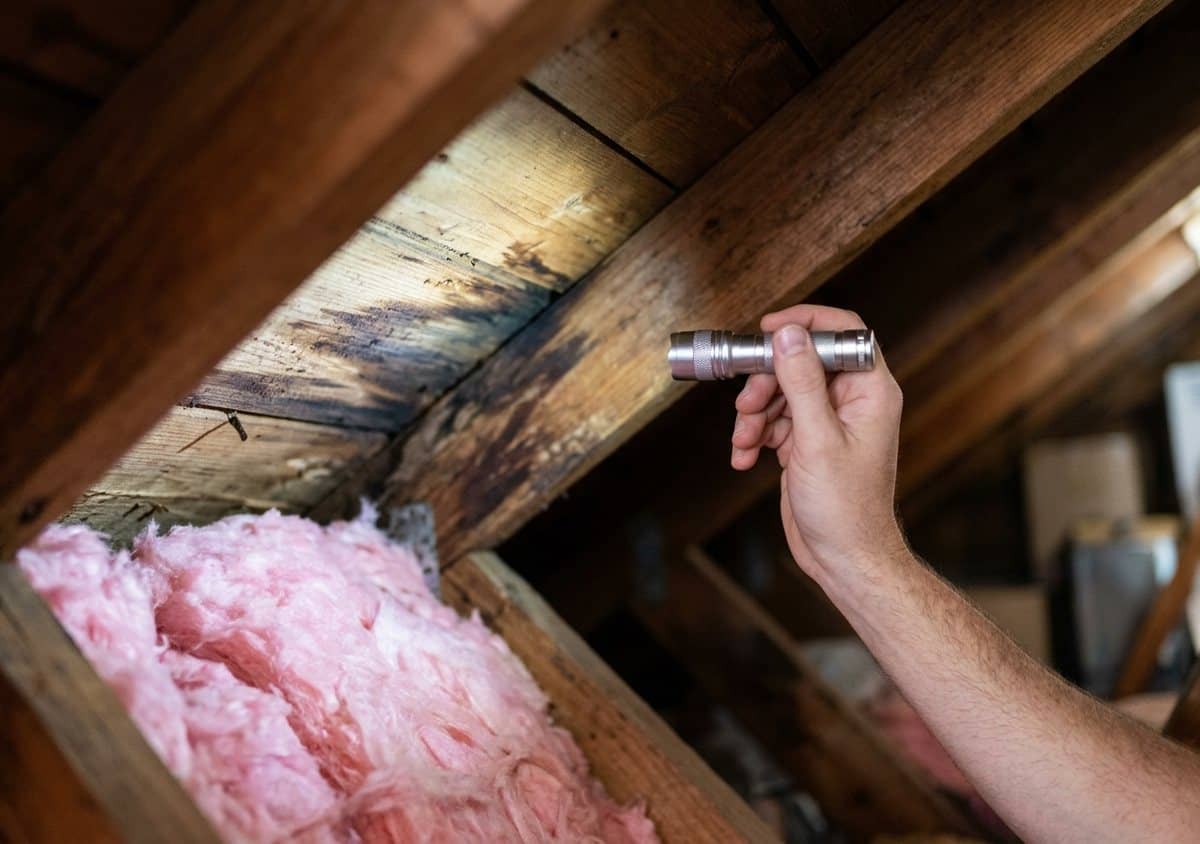
inside wooden attic hand holds small

How Sealants and Coatings Hold Up

Flexible coatings stretch with the surface instead of splitting the way stiff paint does. What matters most is how far they can stretch before they tear. Bigger stretch numbers work better where daily temperatures jump around a lot. Thickness during application counts too. Spread it too thin and it cannot cover tiny cracks. Pile it on too heavy in one spot and it sags before it sets.

Spotting Trouble You Cannot See

Cameras that read heat differences pick up wet spots under the surface. Cooler patches in warm months or warmer ones in cold months show where water has pushed air out. Once you find them, pulling just the bad parts saves the rest and keeps waste down. That focused fix holds costs in check and leaves good material alone.

Plans That Keep a Roof Going Longer

Adding fresh layers over the old ones piles on weight and can hide rot that is still spreading. A full tear-off makes more sense once more than a fifth of the surface looks worn. What goes underneath also changes results. Tougher synthetic sheets resist rips during the job and block water better than old felt if rain shows up halfway through. That strength helps on breezy days when people are walking the roof.

Writing down the dates of each repair and what products went on lets the next owner know what has already been tried. The notes make planning the next round easier and stop the same mismatched materials from getting used twice.

After Bad Weather Hits

Strong gusts pull shingles up along the outer edge where the lift is strongest. Starter strips with extra glue plus ring-shank nails instead of staples help hold things down. Without that hold wind peels layers back fast once it finds an edge. After any big storm, walk the edges from different sides to spot moved pieces before water gets inside. Checking soon after the wind stops, ahead of the next rain, gives the clearest view while fixes are still small.

Keeping Notes Pays Off Later

A simple folder or note on the computer with each repair date smooths out warranty questions. Makers usually want proof that upkeep happened before they cover anything. Having those details ready cuts the back-and-forth if a problem does show up.

Statistical Methods for Reviewing Election Returns

Election returns often show patterns that can be checked against basic expectations using tools that compare counts across groups or time periods. These approaches rely on established ways to measure how much variation fits with random chance or known factors like population size. Analysts start by gathering precinct level data on votes cast and turnout rates, then apply tests that look for consistency rather than assuming any single number proves a problem.

Common Statistical Tests Applied to Election Data

One frequent approach uses the chi square test to compare actual vote shares in different precincts against an overall average. This measures whether differences between areas are larger than would occur by chance alone in repeated draws from the same pool. For example, if one set of precincts shows a candidate receiving twenty percent more support than the citywide figure, the test calculates how likely that spread is under uniform conditions.

Regression methods help track changes over multiple elections or across neighboring districts. A simple linear model might plot turnout against the number of registered voters in each precinct, then check how far individual points fall from the line that best fits the whole set. Deviations that cluster in one direction can point to factors not yet included in the model.

Another basic check involves calculating standard deviations for turnout rates in similar sized precincts. When most rates fall within two standard deviations of the mean, the spread looks typical. Wider spreads prompt a closer look at the raw counts before any conclusion is drawn.

Interpreting Anomalies in Turnout or Candidate Performance

An anomaly appears when a precinct reports turnout well above or below the range seen in comparable areas from past cycles. High turnout alone does not indicate error, since local events or weather can shift participation. The task is to see whether the jump lines up with shifts in registration or with patterns in nearby precincts that share similar voter rolls.

Candidate performance can also vary in ways that deserve review. If one candidate gains sharply in precincts where the opposing candidate usually does well, the numbers invite comparison with exit poll margins or with historical splits in those same places. Small shifts are common because sampling in polls carries its own error range, while larger and repeated departures call for checking the underlying vote files.

When anomalies appear, the next step is to separate reporting issues from actual vote distribution. A single precinct with reversed totals between two candidates might reflect a data entry swap rather than a broader pattern. Repeating the same test on adjacent precincts often shows whether the odd result stands alone or forms part of a larger group.

Role of Demographic and Geographic Variables

Demographic factors such as age distribution, income levels, and home ownership rates influence how people vote in any given election. Analysts therefore group precincts by census data before running comparisons. Precincts with similar shares of residents over sixty five, for instance, tend to show steadier support for certain candidates than mixed age areas.

Geographic variables matter because urban, suburban, and rural precincts often differ in both turnout and preference. A test that ignores these divisions can flag normal differences as unusual. One practical step is to sort precincts into categories based on population density and then calculate separate averages and spreads for each category.

Including these variables reduces the chance that an apparent anomaly is simply the result of mixing unlike groups. When the remaining variation still exceeds expected levels, further checks on ballot style or voting equipment can follow.

Best Practices for Transparent Analysis

Clear records help others repeat the same steps. Keep a log that lists each data source, the exact test applied, and the threshold used to mark a result as notable. Share the full set of precinct numbers rather than only the final summary so readers can verify calculations.

– Sort raw files by precinct identifier before any grouping.
– Record the software or formula used for each test.
– Note any precincts removed because of incomplete reporting.
– Compare results against at least two prior elections when the data exist.

Releasing the data files and the sequence of steps allows independent checks. Different analysts may reach different judgments about the same numbers, yet the process stays open when the methods and inputs are visible from the start. Over time, repeated application of these checks builds a record of how election returns behave under ordinary conditions.

Emergency Water Damage Restoration for Tucson’s Religious and Community Centers

Myth: “Our building is only used a few days a week, so water damage isn’t urgent.”

This dangerous misconception has cost countless religious institutions and community centers tens of thousands in preventable damage. The reality? Limited occupancy actually increases your risk. When buildings sit empty for days, small leaks go unnoticed, humidity builds unchecked, and by the time Sunday services roll around, you’re facing extensive mold growth and structural compromise.

Houses of worship and community centers in Tucson require specialized emergency response that understands both the architectural uniqueness of these spaces and their critical role in the community. When water damage strikes, partnering with Tucson Water Damage Restoration Champions ensures your facility receives the urgent, respectful care it deserves while minimizing disruption to your congregation or community programs.

Debunking Common Water Damage Myths in Large Gathering Spaces

Myth #1: “We Can Wait Until Monday to Address Weekend Water Damage”

The 24-48 hour window is critical. Mold begins colonizing within this timeframe, and in Tucson’s climate, the combination of monsoon moisture and indoor temperature fluctuations accelerates this process. That pipe burst discovered Saturday evening? By Monday morning, you’re looking at contaminated carpeting, compromised drywall, and potential health hazards for vulnerable populations including children and elderly members.

Myth #2: “Our Insurance Won’t Cover Emergency Services”

Most religious and nonprofit organizations carry property insurance that specifically covers emergency water mitigation. What insurance won’t cover is secondary damage caused by delayed response. Documentation is key—professional restoration services provide the detailed reporting insurers require while protecting your claim value.

Myth #3: “Industrial Fans and Dehumidifiers Are All the Same”

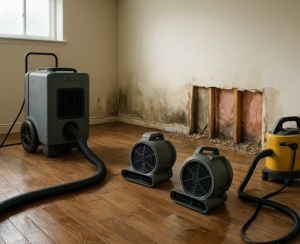
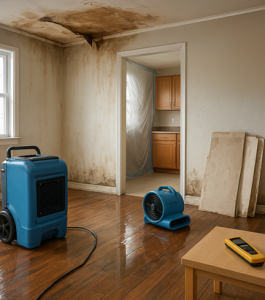
Big-box rental equipment cannot match professional-grade restoration technology. Commercial moisture meters, thermal imaging cameras, and calibrated drying systems are essential for large spaces with high ceilings, multiple rooms, and complex HVAC systems common in religious facilities. Amateur drying attempts often trap moisture in walls and subflooring, creating long-term problems.

Special Considerations for Sacred and Community Spaces

Protecting Irreplaceable Items

Religious artifacts, historical documents, musical instruments, and memorial items require specialized handling during water emergencies. Professional restoration teams understand the difference between standard contents and sacred objects that hold deep spiritual or community significance.

Priority protection includes:

  • Religious texts and historical records requiring freeze-drying techniques
  • Stained glass windows vulnerable to moisture-related deterioration
  • Wooden pews, altars, and architectural elements needing controlled drying
  • Sound systems and projection equipment requiring immediate electrical safety protocols
  • Kitchen facilities used for community meals and events

water damage restoration tucson az

Maintaining Operational Continuity

Your community depends on you. Emergency restoration for religious and community centers isn’t just about drying out a building—it’s about restoring a gathering place. Professional teams work around service schedules, coordinate temporary space solutions, and prioritize areas based on your operational needs.

The Hidden Dangers of DIY Approaches

Myth: “Our volunteers can handle the cleanup to save money.”

Well-meaning volunteers face serious risks in water damage scenarios. Category 2 and 3 water (from toilets, sewage backups, or external flooding) contains harmful bacteria and pathogens requiring proper PPE and disposal protocols. Additionally, electrical hazards, structural instability, and mold exposure present liability issues for organizations allowing untrained individuals to perform restoration work.

Professional restoration protects both your facility and your people, providing proper safety equipment, licensed expertise, and insurance coverage that volunteer labor cannot offer. Consulting with organizations like the American Society of Plumbing Engineers can help facility managers understand proper plumbing infrastructure maintenance to prevent future water emergencies, while the ASCE provides valuable resources on building infrastructure resilience.

citizen oversight emergency drying

Act Immediately, Restore Completely

Water damage in religious and community centers demands immediate professional response. Every hour of delay multiplies restoration costs and extends the time your community goes without their essential gathering space. Don’t let myths about cost, urgency, or DIY capabilities compromise your facility’s integrity and your community’s wellbeing.

How An Anaheim Voting Ballot Building Recently Had Its Roof Repaired

When you think about the buildings that keep our democracy running, you probably don’t spend much time thinking about their roofs. But here in Anaheim, one of our local voting ballot facilities recently faced a roofing challenge that needed immediate attention—and the story of how it was resolved says a lot about the importance of maintaining our civic infrastructure.

The Discovery That Couldn’t Wait

It started with a routine inspection just a few months before an important election cycle. Facilities managers at one of Anaheim’s key ballot processing centers noticed some troubling signs during a walkthrough. Water stains had begun appearing on the ceiling tiles in one corner of the building, and during the next rainfall, small drips confirmed what everyone feared: the roof had developed leaks.

civic engagement gutter guards

For a building that houses sensitive voting materials and electronic equipment used to process ballots, even minor water intrusion is a serious concern. Ballot papers need to remain pristine, and the machinery used to count votes requires a completely dry environment to function properly. There was no question that repairs needed to happen quickly and thoroughly.

Why Voting Facilities Have Unique Roofing Needs

Most people don’t realize that buildings used for election purposes have some pretty specific requirements. These aren’t just regular office spaces—they’re facilities that need to maintain strict security protocols, climate control, and environmental stability.

Security considerations mean that any contractors working on the building need to undergo background checks and work within designated timeframes. The roof repair couldn’t interfere with ballot processing operations or compromise the secure areas where voting materials are stored.

Climate control is critical because voting equipment, especially the electronic scanners and tabulators, are sensitive to temperature and humidity fluctuations. A compromised roof doesn’t just let in water—it can affect the entire HVAC system’s ability to maintain proper conditions.

Timing was everything in this situation. With elections scheduled and early voting periods to prepare for, the window for completing repairs was tight. The work needed to be done thoroughly but also efficiently, without cutting corners that might lead to future problems.

Assessing the Damage

Once the decision was made to move forward with repairs, a thorough assessment revealed the extent of the problem. The building, which had been constructed in the 1980s, had its original roof membrane still in place. After nearly four decades of exposure to Southern California’s intense sun, occasional heavy rains, and temperature fluctuations, the roofing material had simply reached the end of its serviceable life.

The inspection found several areas of concern:

  • Multiple sections where the membrane had cracked and separated
  • Deteriorated flashing around roof penetrations and edges
  • Pooling water in low spots that accelerated wear
  • Compromised insulation in the areas where water had penetrated

What started as a small leak was actually a symptom of much larger systemic issues. The good news was that the underlying roof deck remained structurally sound—the problem was limited to the roofing system itself.

Planning the Repair Project

With a clear understanding of what needed to be done, the planning phase began in earnest. This wasn’t a project that could be approached casually. Every detail mattered, from the materials selected to the schedule for completing the work.

The facilities team worked closely with city officials to ensure that the repair timeline wouldn’t interfere with any election-related activities. They identified a three-week window between election cycles when the building would have minimal activity, making it the ideal time to complete the work.

Material selection focused on durability and longevity. Given the building’s importance and the disruption that future repairs would cause, everyone agreed that investing in high-quality roofing materials made sense. The goal was to install a roof that would last another thirty to forty years without major issues.

The Repair Process Unfolds

When work finally began, the roofing crew arrived early each morning to maximize the daylight hours available for work. The first phase involved carefully removing the old, damaged roofing membrane. This had to be done methodically to avoid creating additional problems or allowing any debris to enter the building’s ventilation system.

As sections of the old roof came off, workers inspected the insulation layer beneath. In areas where water had penetrated, the insulation had become compressed and wet, losing its effectiveness. These sections were marked for replacement to ensure the building’s energy efficiency would be restored.

The installation of the new roofing system happened in carefully coordinated stages. Modern roofing materials offer significantly better performance than what was available when the building was first constructed. The new membrane provides superior UV resistance, better waterproofing, and improved flexibility to handle thermal expansion and contraction.

Special attention was paid to the details that often cause problems down the road. All flashing was replaced with new materials, properly sealed and secured. Roof penetrations for vents, pipes, and HVAC equipment received upgraded boots and seals. The crew also addressed the drainage issues that had allowed water to pool, installing tapered insulation to create positive drainage toward the roof drains.

Working With Trusted Local Professionals

One of the key factors in this project’s success was the decision to work with experienced local roofing professionals who understand the unique needs of commercial and municipal buildings. The team from Anaheim Roof Repair brought not only technical expertise but also an understanding of the time-sensitive nature of the project and the security requirements involved.

voting booth roof protection

Having local contractors meant that communication was straightforward, site visits could happen quickly when questions arose, and there was a genuine investment in doing the job right. These weren’t people just passing through town—they were neighbors who take pride in maintaining the infrastructure that keeps our community running smoothly.

The crew worked efficiently, often putting in longer days to stay ahead of schedule. Their familiarity with Anaheim’s building codes and permitting requirements meant that all the necessary inspections happened on time, without delays that might have pushed the project past its deadline.

The Final Inspection and Results

As the project neared completion, city inspectors came through to verify that all work met code requirements and that the building was ready to return to full operation. The inspection covered everything from the integrity of the new roof membrane to the proper installation of flashing and drainage components, ensuring compliance with standards set by organizations like the International Code Council.

The building passed with flying colors. The new roof not only solved the immediate leak problem but also provided improved insulation values that would reduce heating and cooling costs. The facilities team conducted their own walkthrough, checking that all interior spaces remained secure and undisturbed during the work.

Before the building was handed back over for election operations, a simulated heavy rain test was conducted using fire hoses to thoroughly drench the new roof and verify that water flowed properly to the drains without any signs of intrusion into the building.

Lessons for Other Municipal Buildings

This project offers some valuable lessons for anyone responsible for maintaining public buildings. First and foremost, regular inspections catch problems early, before they become emergencies. The water stains that first alerted staff to the problem could have been ignored or attributed to something else, but taking them seriously prevented a potential disaster during an election cycle.

Preventive maintenance is always cheaper than emergency repairs. While the roof replacement was a significant expense, it was planned and budgeted for. Had the roof failed catastrophically during an election, the costs—both financial and in terms of public confidence—would have been far higher.

Quality matters more than cost savings. The decision to invest in premium roofing materials and experienced contractors means this building won’t need another major roof project for decades. Choosing the cheapest option might have saved money upfront but would likely have led to problems much sooner.

Keeping Our Civic Infrastructure Strong

The story of this ballot building’s roof repair is really a story about community stewardship. We often take for granted the buildings and systems that make civic life possible, but they require ongoing care and attention to keep functioning properly.

Every time Anaheim residents cast a ballot in future elections, they’ll be doing so with the confidence that their votes are being processed in a facility that’s been properly maintained and protected from the elements. That’s something worth celebrating.

It’s also a reminder that behind every election, there are countless people working to ensure everything runs smoothly—from the poll workers and election officials to the facilities managers and yes, even the roofing contractors who make sure the buildings themselves are sound and secure.

Looking Forward

With the roof repair completed successfully and well ahead of the next election cycle, this ballot facility is now better equipped than ever to serve Anaheim’s voters. The project came in on time and on budget, with minimal disruption to the building’s operations.

For those of us who care about maintaining strong civic infrastructure, this project represents exactly the kind of proactive, quality-focused approach that serves communities well over the long term. It’s not glamorous work—roof repairs rarely make headlines—but it’s essential work that protects the democratic processes we all depend on.

The next time you drop off a ballot or vote in an election, take a moment to appreciate not just the process itself, but all the behind-the-scenes work that makes it possible. From the roof overhead to the foundation below, every part of these civic buildings plays a role in keeping our democracy strong and functioning smoothly.

Bipartisan Oversight: A Foundation for Trustworthy Elections

Almost everything we’ve written about — audits, paper trails, chain of custody, observers, voter roll maintenance — shares one quiet precondition that’s easy to overlook: none of it means much if only one side of a political divide is willing to trust the people running it. Technical safeguards can be flawless on paper and still fail to reassure anyone if the process itself is perceived as controlled by a single faction.

That’s the case for bipartisan oversight, and it’s less a specific technical fix than a structural principle that should run through everything else. Bipartisan canvassing boards, dual-party witness requirements for ballot handling, multi-party representation among poll workers and observers — these arrangements exist precisely because a single-party process, however honestly run, is inherently harder to vouch for to people outside that party.

We think this is one of the more underrated points in the broader conversation about election trust, partly because it doesn’t fit neatly into a “security” or “technology” framework. It’s closer to a governance question: who gets to watch, verify, and sign off on each stage of the process, and does that group represent a genuine cross-section of political interests rather than a single perspective checking its own work?

In practice, this shows up in small, unglamorous ways. Ballot transport typically requires teams from different parties riding together, not separately. Canvassing boards that certify results are frequently required by law to include members from more than one party. Recount procedures often specify that observers from all major campaigns be given equal access to the process. None of these rules eliminate disagreement, but they do eliminate the ability of any single group to control the narrative about what happened, simply because representatives from other groups were present the entire time.

We’ve written before about the drop in voter confidence that’s shown up in recent survey data, and we think bipartisan oversight is one of the more direct answers available to that problem — not because it changes the actual mechanics of counting votes, but because it changes who’s in a position to vouch for the result afterward. A certification signed by election officials from only one party is a very different piece of evidence, politically, than one signed by officials representing competing interests who all reached the same conclusion.

None of this is a novel invention. Most of these bipartisan safeguards have existed in various forms for a long time; the challenge is less about designing new rules and more about consistently funding, staffing, and enforcing the ones that already exist. Underfunded election offices sometimes struggle to recruit balanced representation on canvassing boards or find enough dual-party teams for ballot transport, which quietly undermines a safeguard that looks solid on paper.

If there’s one thread that connects everything we’ve covered — audits, paper records, custody procedures, observers, voter rolls — it’s this: verifiability isn’t just a technical property of a system. It’s a social one, built through processes that give people across the political spectrum a genuine reason to trust a result, not just a plausible reason to be told to.