When you think about the buildings that keep our democracy running, you probably don’t spend much time thinking about their roofs. But here in Anaheim, one of our local voting ballot facilities recently faced a roofing challenge that needed immediate attention—and the story of how it was resolved says a lot about the importance of maintaining our civic infrastructure.
The Discovery That Couldn’t Wait
It started with a routine inspection just a few months before an important election cycle. Facilities managers at one of Anaheim’s key ballot processing centers noticed some troubling signs during a walkthrough. Water stains had begun appearing on the ceiling tiles in one corner of the building, and during the next rainfall, small drips confirmed what everyone feared: the roof had developed leaks.
For a building that houses sensitive voting materials and electronic equipment used to process ballots, even minor water intrusion is a serious concern. Ballot papers need to remain pristine, and the machinery used to count votes requires a completely dry environment to function properly. There was no question that repairs needed to happen quickly and thoroughly.
Why Voting Facilities Have Unique Roofing Needs
Most people don’t realize that buildings used for election purposes have some pretty specific requirements. These aren’t just regular office spaces—they’re facilities that need to maintain strict security protocols, climate control, and environmental stability.
Security considerations mean that any contractors working on the building need to undergo background checks and work within designated timeframes. The roof repair couldn’t interfere with ballot processing operations or compromise the secure areas where voting materials are stored.
Climate control is critical because voting equipment, especially the electronic scanners and tabulators, are sensitive to temperature and humidity fluctuations. A compromised roof doesn’t just let in water—it can affect the entire HVAC system’s ability to maintain proper conditions.
Timing was everything in this situation. With elections scheduled and early voting periods to prepare for, the window for completing repairs was tight. The work needed to be done thoroughly but also efficiently, without cutting corners that might lead to future problems.
Assessing the Damage
Once the decision was made to move forward with repairs, a thorough assessment revealed the extent of the problem. The building, which had been constructed in the 1980s, had its original roof membrane still in place. After nearly four decades of exposure to Southern California’s intense sun, occasional heavy rains, and temperature fluctuations, the roofing material had simply reached the end of its serviceable life.
The inspection found several areas of concern:
- Multiple sections where the membrane had cracked and separated
- Deteriorated flashing around roof penetrations and edges
- Pooling water in low spots that accelerated wear
- Compromised insulation in the areas where water had penetrated
What started as a small leak was actually a symptom of much larger systemic issues. The good news was that the underlying roof deck remained structurally sound—the problem was limited to the roofing system itself.
Planning the Repair Project
With a clear understanding of what needed to be done, the planning phase began in earnest. This wasn’t a project that could be approached casually. Every detail mattered, from the materials selected to the schedule for completing the work.
The facilities team worked closely with city officials to ensure that the repair timeline wouldn’t interfere with any election-related activities. They identified a three-week window between election cycles when the building would have minimal activity, making it the ideal time to complete the work.
Material selection focused on durability and longevity. Given the building’s importance and the disruption that future repairs would cause, everyone agreed that investing in high-quality roofing materials made sense. The goal was to install a roof that would last another thirty to forty years without major issues.
The Repair Process Unfolds
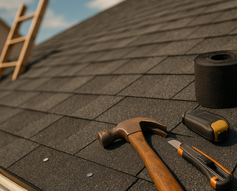
When work finally began, the roofing crew arrived early each morning to maximize the daylight hours available for work. The first phase involved carefully removing the old, damaged roofing membrane. This had to be done methodically to avoid creating additional problems or allowing any debris to enter the building’s ventilation system.
As sections of the old roof came off, workers inspected the insulation layer beneath. In areas where water had penetrated, the insulation had become compressed and wet, losing its effectiveness. These sections were marked for replacement to ensure the building’s energy efficiency would be restored.
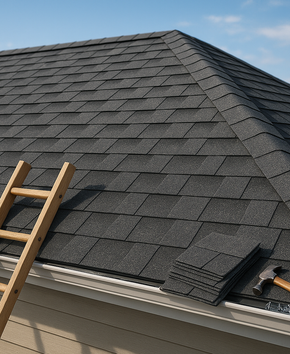
The installation of the new roofing system happened in carefully coordinated stages. Modern roofing materials offer significantly better performance than what was available when the building was first constructed. The new membrane provides superior UV resistance, better waterproofing, and improved flexibility to handle thermal expansion and contraction.
Special attention was paid to the details that often cause problems down the road. All flashing was replaced with new materials, properly sealed and secured. Roof penetrations for vents, pipes, and HVAC equipment received upgraded boots and seals. The crew also addressed the drainage issues that had allowed water to pool, installing tapered insulation to create positive drainage toward the roof drains.
Working With Trusted Local Professionals
One of the key factors in this project’s success was the decision to work with experienced local roofing professionals who understand the unique needs of commercial and municipal buildings. The team from Anaheim Roof Repair brought not only technical expertise but also an understanding of the time-sensitive nature of the project and the security requirements involved.
Having local contractors meant that communication was straightforward, site visits could happen quickly when questions arose, and there was a genuine investment in doing the job right. These weren’t people just passing through town—they were neighbors who take pride in maintaining the infrastructure that keeps our community running smoothly.
The crew worked efficiently, often putting in longer days to stay ahead of schedule. Their familiarity with Anaheim’s building codes and permitting requirements meant that all the necessary inspections happened on time, without delays that might have pushed the project past its deadline.
The Final Inspection and Results
As the project neared completion, city inspectors came through to verify that all work met code requirements and that the building was ready to return to full operation. The inspection covered everything from the integrity of the new roof membrane to the proper installation of flashing and drainage components, ensuring compliance with standards set by organizations like the International Code Council.
The building passed with flying colors. The new roof not only solved the immediate leak problem but also provided improved insulation values that would reduce heating and cooling costs. The facilities team conducted their own walkthrough, checking that all interior spaces remained secure and undisturbed during the work.
Before the building was handed back over for election operations, a simulated heavy rain test was conducted using fire hoses to thoroughly drench the new roof and verify that water flowed properly to the drains without any signs of intrusion into the building.
Lessons for Other Municipal Buildings
This project offers some valuable lessons for anyone responsible for maintaining public buildings. First and foremost, regular inspections catch problems early, before they become emergencies. The water stains that first alerted staff to the problem could have been ignored or attributed to something else, but taking them seriously prevented a potential disaster during an election cycle.
Preventive maintenance is always cheaper than emergency repairs. While the roof replacement was a significant expense, it was planned and budgeted for. Had the roof failed catastrophically during an election, the costs—both financial and in terms of public confidence—would have been far higher.
Quality matters more than cost savings. The decision to invest in premium roofing materials and experienced contractors means this building won’t need another major roof project for decades. Choosing the cheapest option might have saved money upfront but would likely have led to problems much sooner.
Keeping Our Civic Infrastructure Strong
The story of this ballot building’s roof repair is really a story about community stewardship. We often take for granted the buildings and systems that make civic life possible, but they require ongoing care and attention to keep functioning properly.
Every time Anaheim residents cast a ballot in future elections, they’ll be doing so with the confidence that their votes are being processed in a facility that’s been properly maintained and protected from the elements. That’s something worth celebrating.
It’s also a reminder that behind every election, there are countless people working to ensure everything runs smoothly—from the poll workers and election officials to the facilities managers and yes, even the roofing contractors who make sure the buildings themselves are sound and secure.
Looking Forward
With the roof repair completed successfully and well ahead of the next election cycle, this ballot facility is now better equipped than ever to serve Anaheim’s voters. The project came in on time and on budget, with minimal disruption to the building’s operations.
For those of us who care about maintaining strong civic infrastructure, this project represents exactly the kind of proactive, quality-focused approach that serves communities well over the long term. It’s not glamorous work—roof repairs rarely make headlines—but it’s essential work that protects the democratic processes we all depend on.
The next time you drop off a ballot or vote in an election, take a moment to appreciate not just the process itself, but all the behind-the-scenes work that makes it possible. From the roof overhead to the foundation below, every part of these civic buildings plays a role in keeping our democracy strong and functioning smoothly.